
Manufacturing & Quality
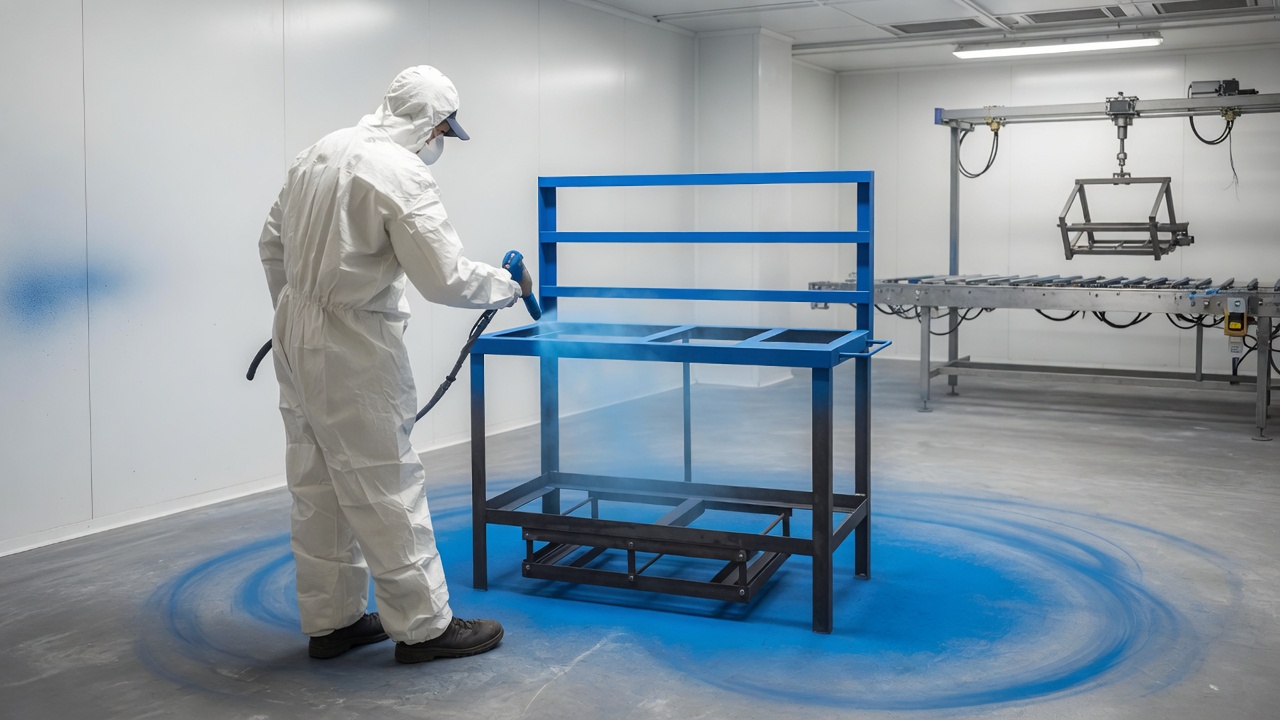
Ask a maintenance engineer or warehouse manager what ruins a bargain workbench and many will point to flaking paint. Corrosion under a thin finish shortens life and confidence. That is why we fully weld first, then powder-coat industrial frames on our finishing line — not bolt rails together and hope a wet spray holds.
Why powder coating is different
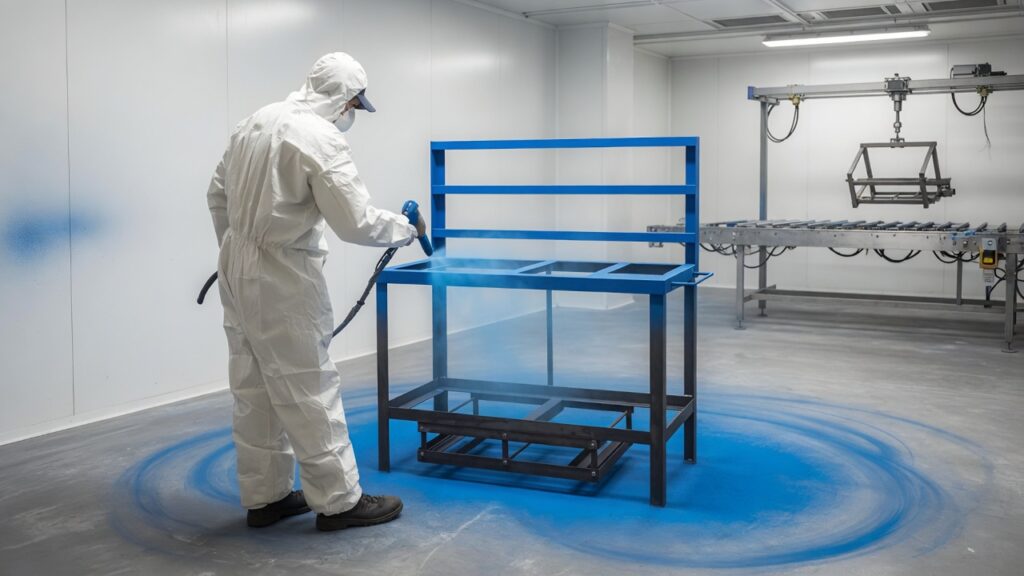
- Low solvent process — powder does not rely on the same wet solvent carriers as many liquid paints.
- Thicker film build — electrostatic application supports a robust industrial coating layer.
- Colour and durability — pigments locked in a cured resin matrix resist workshop wear better than many thin paint films.
Weld first, then coat the assembly
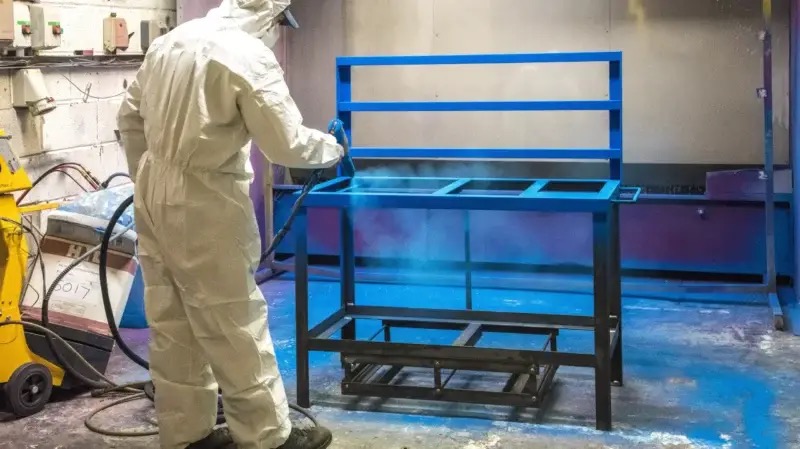
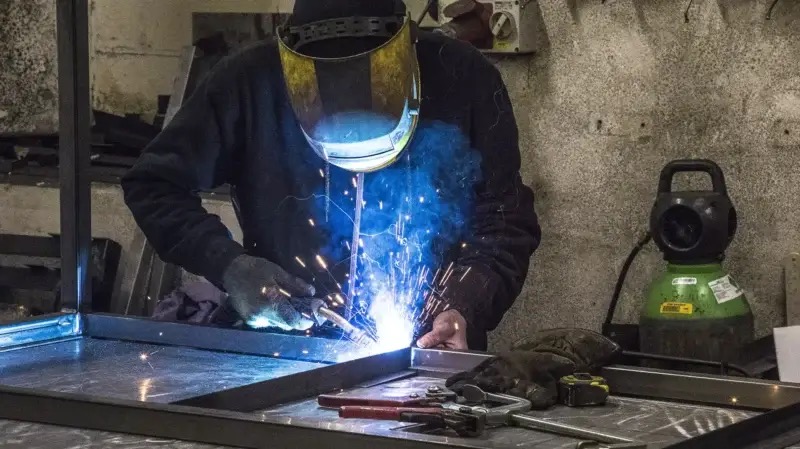
Flat-pack furniture is often sprayed as separate uprights and rails. Every joint can become a corrosion path once assembled on site. We fabricate frames as welded assemblies, then coat the unit so protection is continuous around the structure. That is slower for the maker — and better for the user.
What buyers should ask any supplier
- Is the frame fully welded or bolt-together?
- Is finishing wet paint or powder coat?
- Is coating done before or after final assembly?
- What colour and thickness expectations apply for your environment?
If a quote cannot answer those questions, treat “industrial finish” claims with caution.
See the furniture that comes off the line
Powder coating is not cosmetic branding — it is part of how long a workbench or trolley survives on a real floor. Configure online, or visit our ranges to match capacity and layout to your process.
Products built for industrial finish
Questions? Contact us or call 0161 688 6737.

